
Disaster response / October 2016
Operation Unified Aid
Hurricane Matthew cut Jaboin off from the world. HARP Rescue found a way in, then treated, fed and rescued the people waiting there.
- 400+people given medical care in the first 4 days
- 4+tons of supplies in the first 10 days
- 600+families fed for six months
- 24+life-saving rescues
Figures from HARP Rescue’s impact report for Operation Unified Aid.
A / The situation
The worst emergency since 2010.
Hurricane Matthew struck southwest Haiti on October 4, 2016, as a Category 4 storm with sustained winds of 145 mph,1 bringing torrential rain and a massive storm surge. It became the country’s largest humanitarian emergency since the 2010 earthquake.2
The government confirmed 546 deaths.1 Some 1.4 million people needed humanitarian assistance, and in Grand’Anse almost every crop was lost.2 Weeks later, parts of the southwest could still be reached only by boat or helicopter.1
HARP Rescue deployed to help with evacuations and to bring medical aid to the people the storm had hit hardest.
B / The call
Calls for help, by the hour.
The first requests came straight from people on the ground, through social media. HARP set up a group to assess the damage and sort the most urgent needs.
Within hours, the sheer number of requests made the scale of the disaster clear.
C / The plan
A town cut off by a washed-out bridge.
On arrival, the team met with Haitian government and military agencies in Port-au-Prince. They pointed to Jaboin — an area in dire need of aid and medical care, and impossible to reach, because the bridge that served it had washed out.
HARP Rescue built a plan to get there anyway, and to keep supplies flowing once it did.
D / In the field
Landing zones cleared by hand.
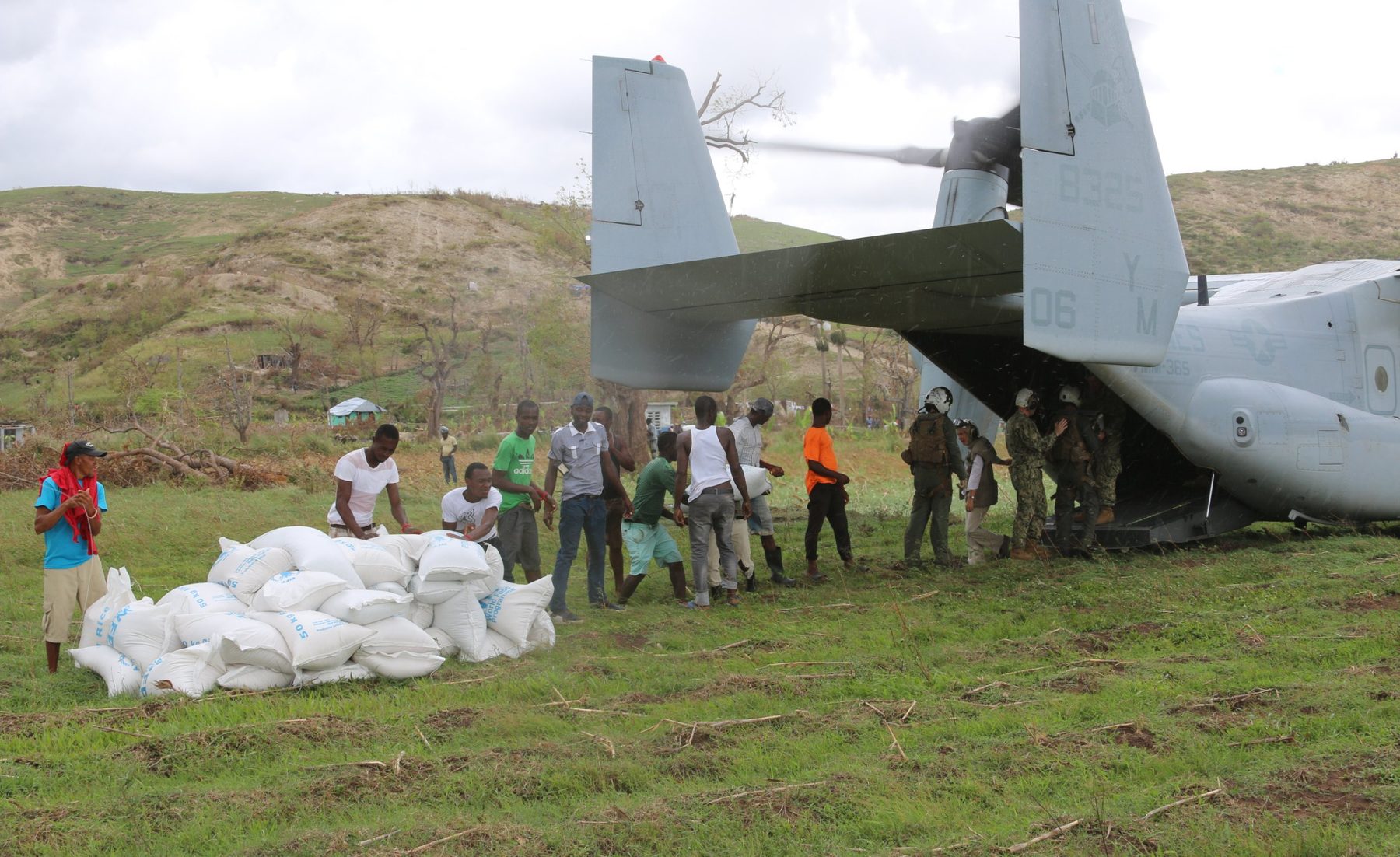
The core problem was getting supplies into a remote area with no road in. Working side by side with local residents, the team cleared multiple landing zones so helicopters could land safely and in order.
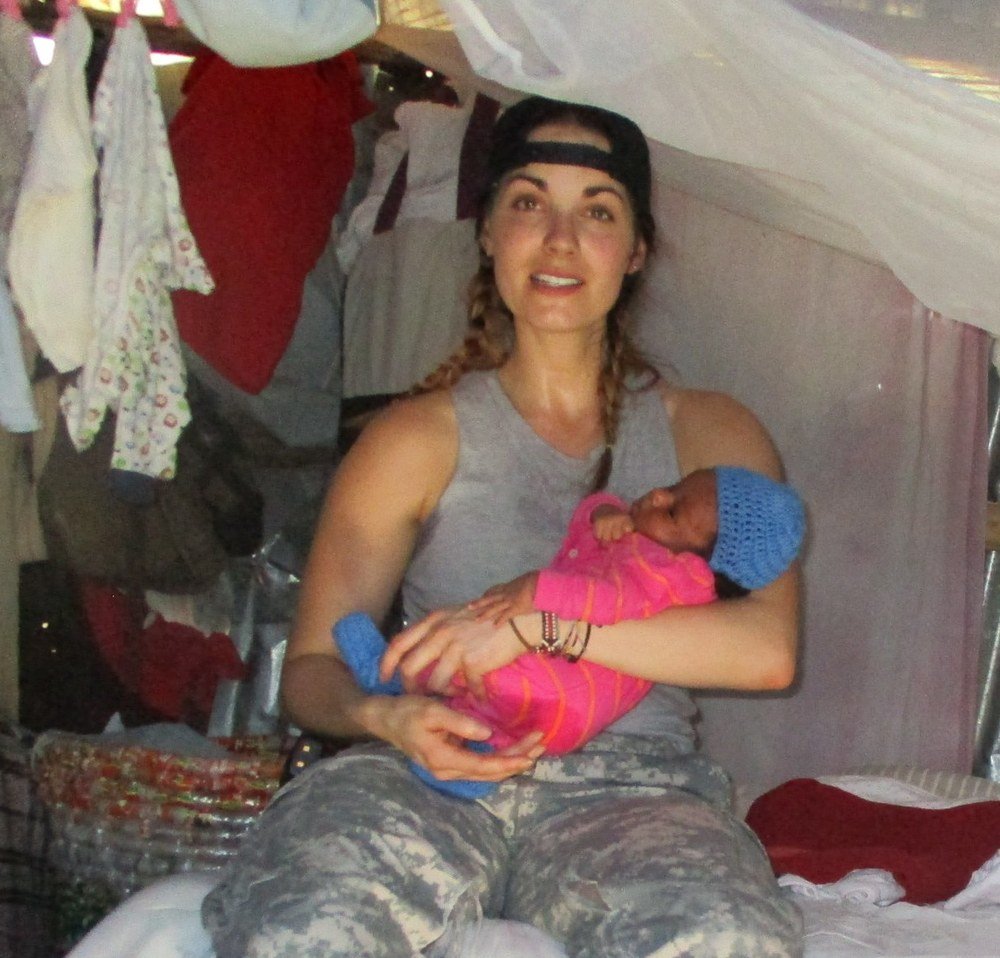
In partnership with the U.S. military, and with support from USAID, supplies came in by Osprey. On the ground, the team faced a constant stream of medical cases and urgent requests.
- October 4, 2016Hurricane Matthew strikes southwest Haiti.
- Within hoursRequests for help arrive through social media; damage and needs are assessed.
- On arrivalCoordination with government and military agencies in Port-au-Prince. Jaboin is identified, cut off by a washed-out bridge.
- First 4 daysMore than 400 people receive medical care.
- First 10 daysMore than 4 tons of supplies delivered, with U.S. military Ospreys and USAID support.
- Six monthsMore than 600 families fed continuously.
E / The outcome
Treated, fed and rescued.
In the first four days, more than 400 people received medical care. In the first ten days, more than 4 tons of food, toiletries and care products were distributed.
Over the following six months, more than 600 families were fed continuously. The team carried out more than 24 life-saving rescues and installed water filtration systems to bring clean drinking water to the community.
Sources
HARP Rescue’s actions and figures come from its own impact report for this operation. Background on the event comes from the public sources below.
The next disaster won’t wait for a bridge to be rebuilt.
Every rescue requires preparation, experience, and resources. Your contribution helps put those resources in place before the next mission begins.
Help fund the next missionSecure checkout through Zeffy · HARP Rescue is a registered 501(c)(3) nonprofit · Contributions are tax-deductible to the extent allowed by law